
Written by Loida Diaz and Daphne Dee Dogcio (UBHS, Faculty members)
The University of Baguio High School (UBHS), in proud partnership with the UBHS Parent-Teacher Association, has officially launched its Hydroponic Greenhouse Project—a groundbreaking extension of its Urban Gardening initiative, first introduced in 2020. This forward-thinking project reinforces the school’s commitment to environmental stewardship, food sustainability, and experiential learning. This project is also in alignment with the Department of Education’s (DepEd) “Gulayan sa Paaralan” Program under DepEd Memorandum No. 223, s. 2016.
Strategically located at the E-Building of the UBHS department, the greenhouse was made possible through the generous support of Mr. Mark Adriel Sison, a distinguished UBHS alumnus and current General Manager of DomeGarden Hydroponics. His company, based in Baguio City, specializes in modern agricultural systems. His involvement underscores the power of alumni engagement in driving innovation and giving back to the educational community.
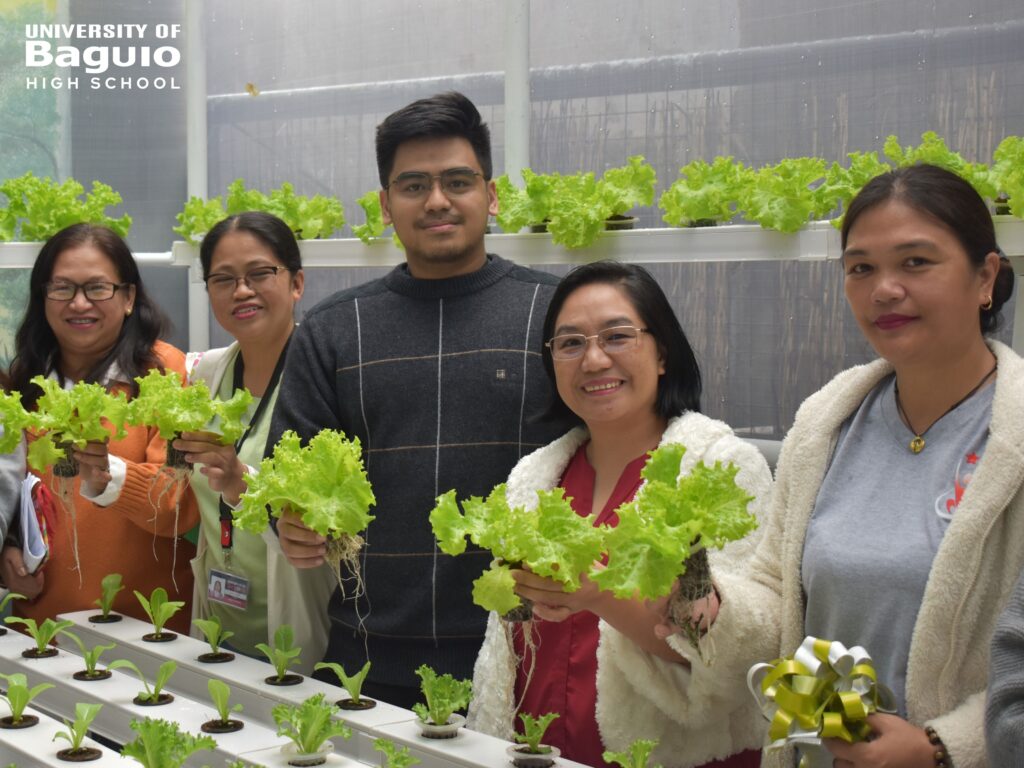
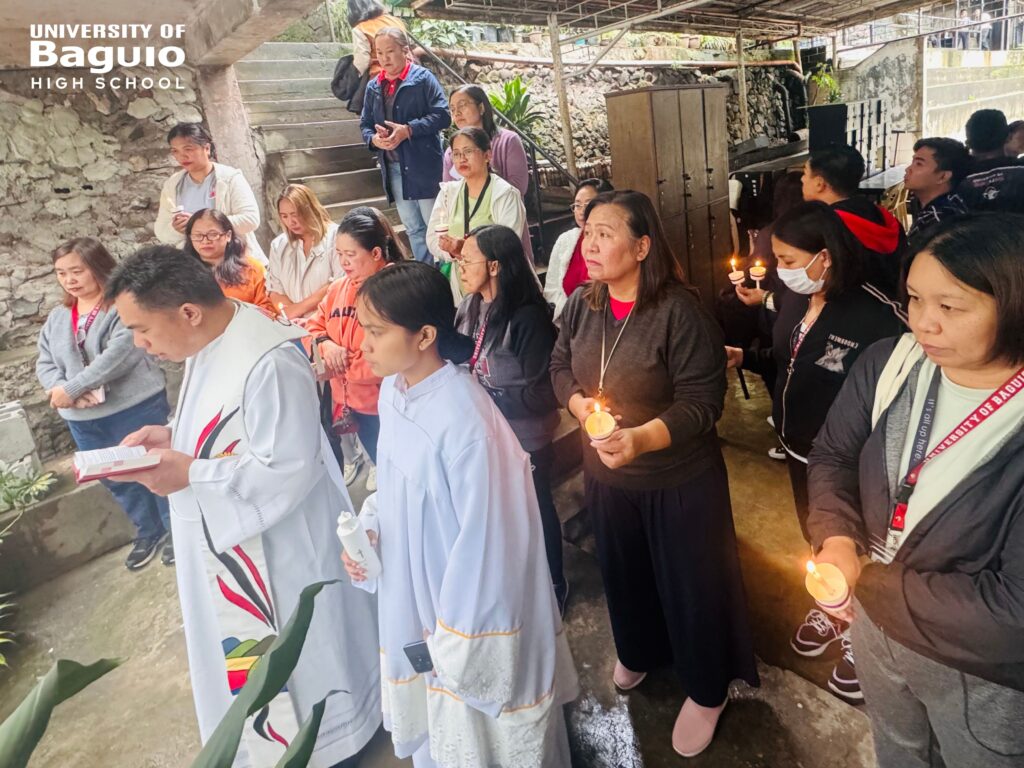
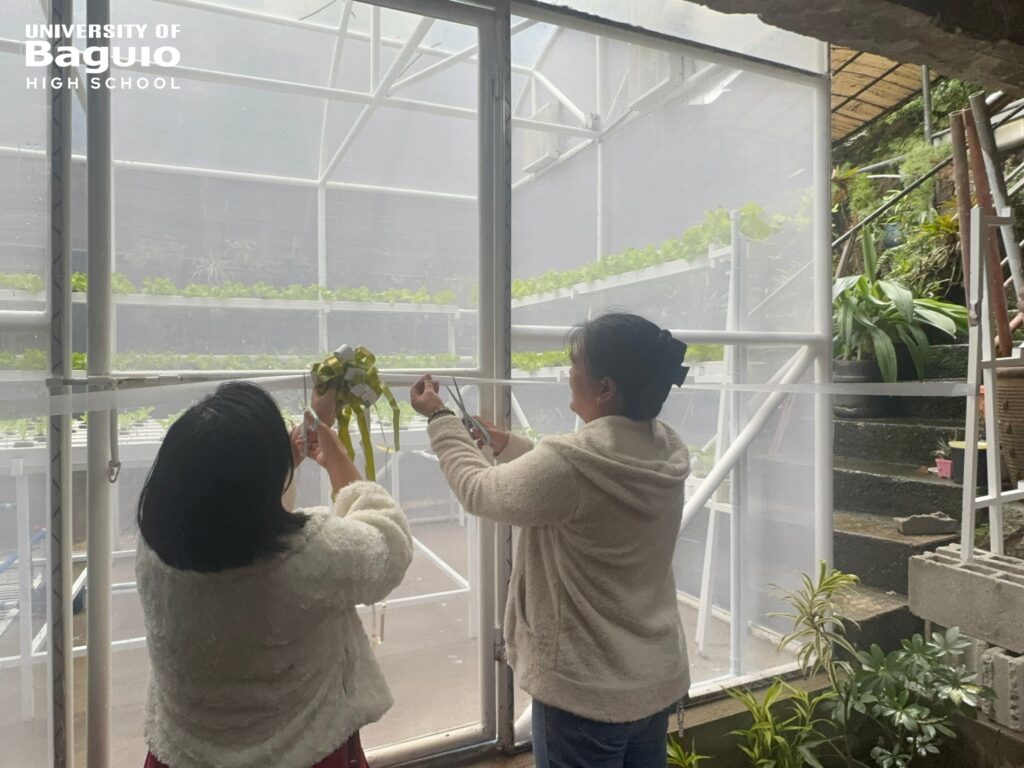
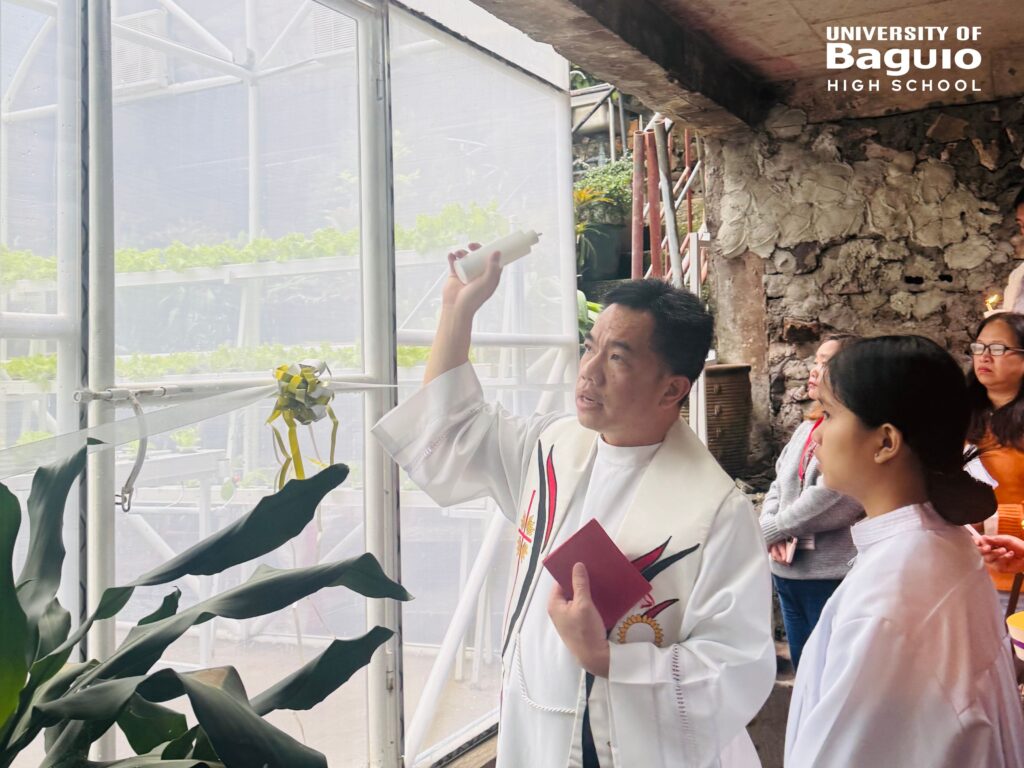
The project features hydroponics, an advanced, soil-less farming technique where plants grow in water-based solutions that are rich in nutrients. Compared to traditional agriculture, hydroponics consumes up to 90% less water, eliminates the need for large tracts of land, and significantly reduces exposure to harmful pesticides. This makes it ideal for urban environments where space and resources are often limited.
The benefits also go far beyond just efficient farming. The Hydroponic Greenhouse Project introduces students to 21st-century agricultural technologies and green innovation, skills and knowledge that are becoming increasingly vital in today’s world of climate uncertainty and global food insecurity. By engaging students in hands-on, science-based practices, the project fosters critical thinking, problem-solving, collaboration, and ecological awareness.
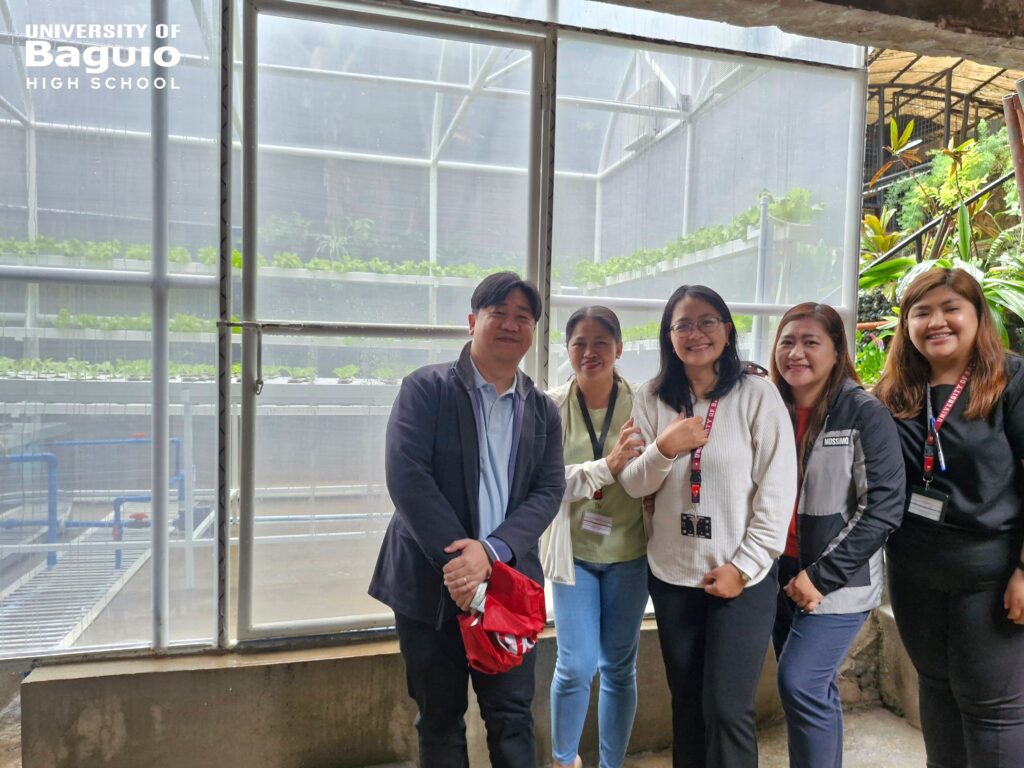
Moreover, this initiative positions UBHS as a leader in integrating sustainability into education. It supports several United Nations Sustainable Development Goals (SDGs), particularly:
- Goal No. 2: Zero Hunger – by promoting local, sustainable food sources,
- Goal No. 12: Responsible Consumption and Production – through efficient resource management ,
- Goal No. 13: Climate Action – by reducing the carbon footprint of food production, and
- Goal No. 4: Quality Education – by transforming classrooms into dynamic learning environments.
The greenhouse also opens doors for research and innovation in fields such as biology, environmental science, and agri-technology. Students can investigate plant growth under various conditions, test eco-friendly pest control alternatives, and develop their own sustainable farming models. These research opportunities not only enrich learning, but also prepare students for careers in STEM, agriculture, and environmental fields.
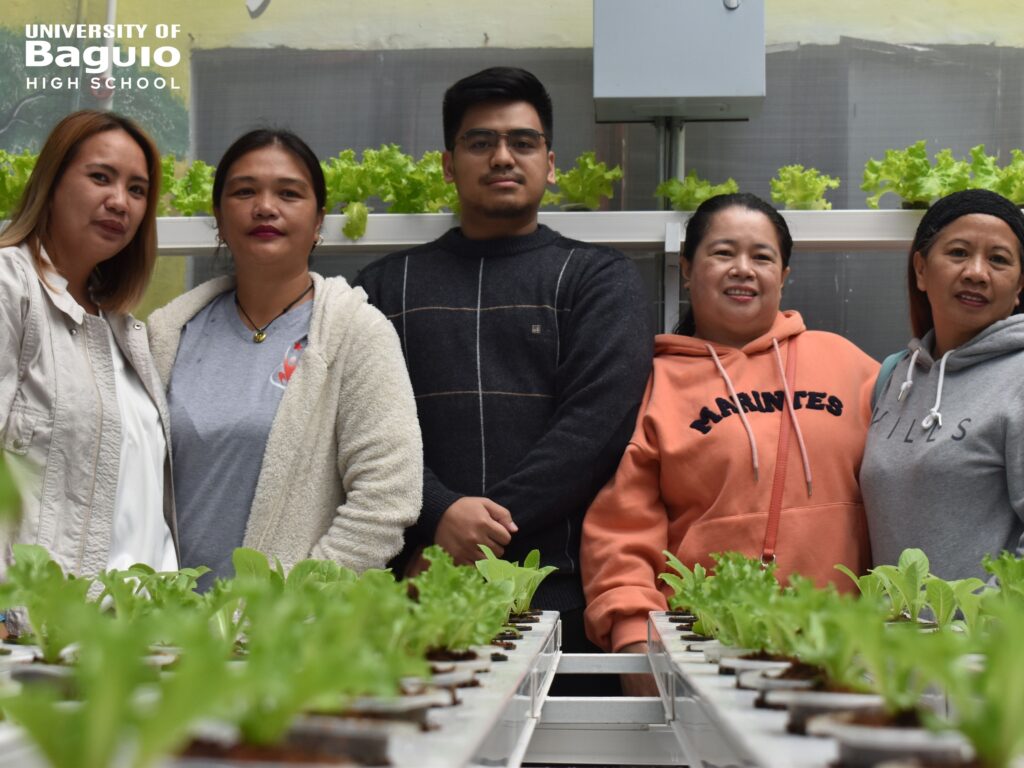
Beyond the classroom, the project has the potential to create ripples of change in the wider community. Through outreach programs and student-led initiatives, knowledge gained in the greenhouse can be shared with local households, encouraging the adoption of home-based gardening and food self-sufficiency practices.
With the greenhouse now fully operational, UBHS envisions it as more than a facility; it is a living laboratory, a community catalyst, and a symbol of resilience in the face of environmental and societal challenges. It embodies a mission to educate not only the mind but also the heart and hands of its learners.
This project is more than just a greenhouse—it is a bold step toward building a greener, smarter, and more sustainable future. It is a testament to what can happen when vision, education, and community come together to cultivate real change.